Source EPA Approved 3 Seats UTV for Farm, Site, and Trail
Source EPA approved 3 seats UTV models from 30 verified listings. Compare gas and electric variants with features like CVT transmission, hydraulic disc brakes, and cargo capacities up to 300kg for reliable utility performance; compare the available evidence and request quotations based on your requirements.
Key considerations
Products List


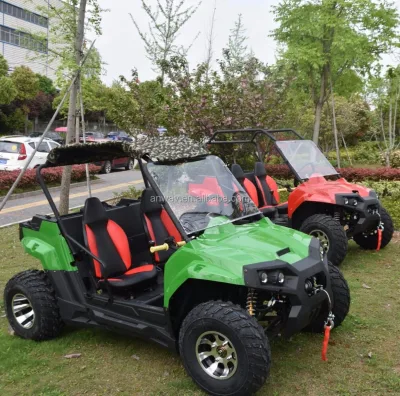


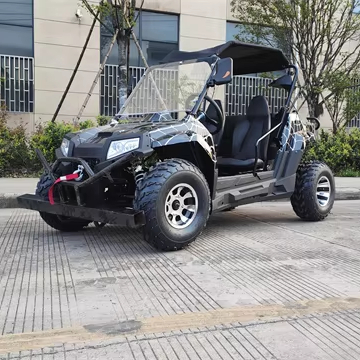
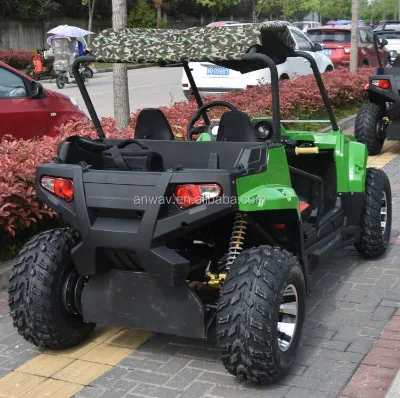
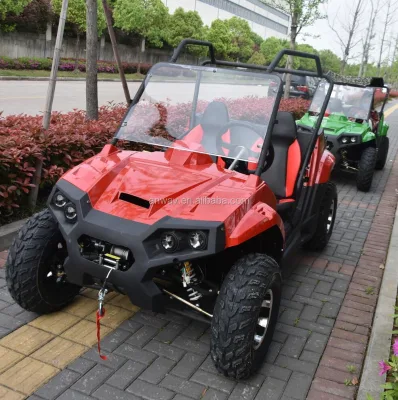


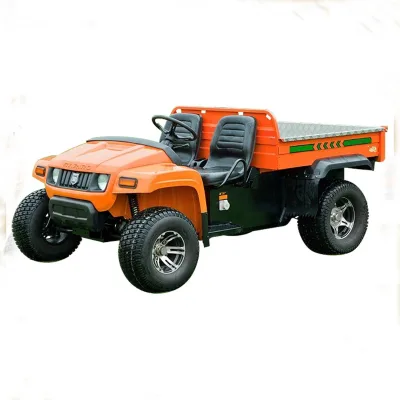
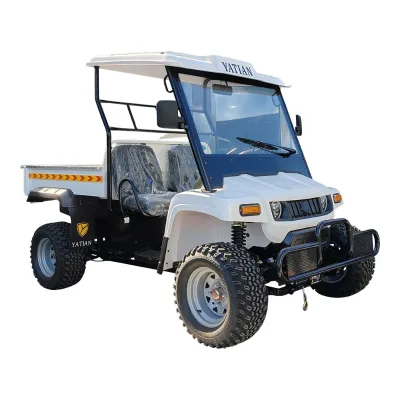
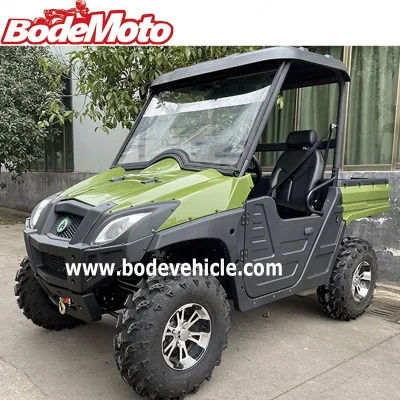


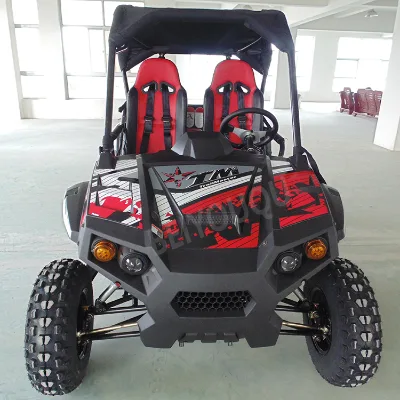


Comprehensive Sourcing Guide
EPA Approved 3 Seats UTV Sourcing Guide
Procuring utility task vehicles that meet Environmental Protection Agency standards requires careful evaluation of engine emissions and operational compliance. Buyers must distinguish between on-road legal models and off-road utility machines, as EPA certification primarily governs exhaust emissions for non-road engines. The presence of an EPA certificate indicates that the manufacturer has validated the vehicle’s emission control systems against federal limits, which is critical for fleets operating in regulated environments or regions with strict air quality mandates.
When sourcing three-seat configurations, verify that the chassis and suspension are rated for the additional passenger weight without compromising stability. The listed product data shows a weight with full equipment ranging from 515kg to 595kg, indicating substantial structural integrity. Ensure that the seating arrangement does not interfere with the center of gravity, particularly when navigating uneven terrain. Proper load distribution across the three seats is essential to maintain handling characteristics and prevent rollover risks during sharp turns or steep inclines.
Product Scope and Observed Listing Signals
The current market listings reveal a diverse range of utility vehicles, including both internal combustion and electric powertrain options. Observed price points span from 1500 to 11000 USD, reflecting variations in engine displacement, battery capacity, and feature sets. Minimum order quantities typically range from 1 to 20 units, offering flexibility for small fleet expansions or large-scale municipal procurement. Buyers should note that while some models are gas-powered, others utilize electric motors, necessitating a clear definition of operational requirements before initiating supplier negotiations.
Specific model data highlights distinct technical profiles, such as the UTV450 with a 400CC gas engine and the EV100X 4X4 featuring a 10KW PMSM motor. These differences significantly impact maintenance protocols and total cost of ownership. The UTV450 boasts a single driver top speed of 65km/h, while the electric variant reaches 52km/h with a 75km range. Understanding these performance metrics is vital for aligning vehicle capabilities with specific job site demands, whether for agricultural transport, security patrols, or industrial logistics.
Technical Specifications to Verify
Engine and transmission systems form the core of utility vehicle performance, requiring precise verification of displacement and power delivery. The UTV450 utilizes a 391ml cylinder volume with a 10:01 compression ratio, paired with electronic fuel injection for consistent combustion. In contrast, electric models rely on battery capacity and motor type, such as the 72V 140AH lead acid gel battery in the EV100X. Buyers must confirm that the transmission type, whether automatic CVT belt or electric drive, matches the torque requirements of the intended load, ensuring smooth power transfer under heavy duty conditions.
Chassis dimensions and ground clearance dictate off-road capability and cargo utility. The observed wheelbase ranges from 1840mm to 2495mm, with minimum ground clearance between 230mm and 235mm. These specifications influence the vehicle’s ability to traverse obstacles without undercarriage damage. Additionally, brake systems are predominantly hydraulic disc brakes, providing reliable stopping power. Verify that the parking brake is a hand brake mechanism, as this affects operator ergonomics and safety during stationary operations on slopes or uneven surfaces.
Compliance and Safety Documentation
EPA certification is a primary compliance requirement for gas-powered models, ensuring adherence to federal emission standards. The provided data confirms EPA certificates for specific models, which is essential for legal operation in many jurisdictions. Buyers must request valid certification documents directly from the supplier to verify that the specific VIN or model number matches the approved emission control configuration. This documentation protects against regulatory penalties and ensures that the vehicle meets the environmental standards required for public or private land use.
EEC certification is also listed for some models, indicating compliance with European Economic Community standards, which may be relevant for export markets or dual-purpose vehicles. Safety features such as folding windshields and robust tire configurations, like 25x8-12 front and 25x10-12 rear tires, contribute to operational safety. Verify that all safety components are included as standard equipment and that the vehicle’s lighting and signaling systems meet local road safety regulations if on-road use is anticipated.
Cost Drivers and Commercial Terms
Pricing variations are driven by powertrain technology, with electric models often commanding higher upfront costs due to battery and motor expenses. The observed price range of 1500 to 11000 USD reflects these technological differences, as well as additional features like cargo box capacity and chassis reinforcement. Buyers should analyze the total cost of ownership, including fuel or electricity costs, maintenance intervals, and battery replacement cycles. Gas models may have lower initial costs but higher ongoing fuel expenses, while electric models offer lower operating costs but require charging infrastructure investment.
Commercial terms such as minimum order quantity and packing methods impact logistics and storage efficiency. The UTV450 is packed in an iron frame, offering superior protection during transit, whereas the EV100X uses a carton box with steel frame. These packing differences affect shipping costs and potential damage risks. Negotiate clear terms regarding warranty coverage, spare parts availability, and after-sales support. Ensure that the supplier provides comprehensive documentation for customs clearance, including accurate HS codes and commercial invoices, to facilitate smooth international trade.
Supplier Qualification and Quality Control
Supplier verification is critical to ensure that the claimed EPA and EEC certifications are legitimate and current. Request proof of manufacturing capabilities, including factory audits and quality management system certifications. The origin of the products, such as Shanghai, should be verified to assess supply chain reliability and geopolitical risks. Evaluate the supplier’s track record in exporting similar utility vehicles, focusing on their ability to meet consistent quality standards and deliver on time.
Quality control processes should include pre-shipment inspections to verify that each unit meets the specified technical parameters. Check for consistency in engine performance, brake functionality, and structural integrity. For electric models, verify battery health and charging system reliability. Establish clear acceptance criteria based on the observed specifications, such as weight, dimensions, and load capacity. Implement a robust inspection protocol to catch any deviations from the agreed-upon standards before final payment is released.
Long-Term Procurement Checks
Sustainable procurement requires monitoring supplier performance and product reliability over time. Track failure rates and maintenance costs to identify any recurring issues with specific models or components. Regularly review the supplier’s ability to provide spare parts and technical support, ensuring that downtime is minimized. Establish a feedback loop with end-users to gather insights on vehicle performance in real-world conditions, which can inform future purchasing decisions and model selections.
Stay updated on regulatory changes that may affect the operation or certification of utility task vehicles. Compliance requirements can evolve, necessitating periodic re-evaluation of the fleet’s adherence to local and federal standards. Maintain open communication with suppliers to anticipate any changes in product specifications or certification statuses. Proactive management of these factors ensures that the procurement strategy remains aligned with operational needs and regulatory obligations, safeguarding the long-term viability of the utility vehicle fleet.
FAQs
What is the top speed of the gas UTV model?
The gas UTV model reaches a single driver top speed of 65km/h. This performance is supported by a 400CC engine with electronic fuel injection and a compression ratio of 10:01 for efficient power delivery.
Can I find an electric UTV with EPA certification?
Yes, an electric UTV model is available with both EEC and EPA certifications. It features a 10KW PMSM motor and a 72V 140AH lead acid gel battery, offering a maximum range of 75km for single drivers.
What is the maximum cargo capacity for the dump bed?
The electric UTV dump bed has a capacity of 150kg with dimensions of 930x1270x380mm. The rear cargo box load capacity for this specific model is listed as 300kg, providing substantial utility for transport tasks.
How much does the gas UTV weigh with full equipment?
The gas UTV weighs 515kg when equipped with full equipment. This weight includes the iron frame packaging and standard components, ensuring stability while maintaining a minimum ground clearance of 235mm for rough terrain.
What transmission type is used in the gas UTV?
The gas UTV utilizes an automatic transmission with a CVT belt system. It is powered by a four-stroke single-cylinder engine and features hydraulic disc brakes for reliable stopping power during operation.
Where is the UTV manufactured and what is the origin?
The UTV is manufactured in Shanghai, China. The product origin is explicitly listed as Shanghai, and the standard packing dimensions vary between 2620x1440x1930mm for gas models and 2623x1440x2003mm for electric models.
What is the fuel tank capacity for the gas model?
The gas UTV features a fuel tank capacity of 19 liters. This capacity supports extended operation, complemented by an electronic fuel injection system and a requirement for SAE 15W-40 lubrication oil.